From Idea to Impact: How Innovation Turned Into a Mission-Critical AI Solution
An Air Force innovation challenge, an unexpected six-week break, and a simple question in the woods helped shape how I approach AI, automation, and solving complex business problems.
It Started With a Mission
In the year leading up to the 2025 federal government shutdown, reports of drone incursions at military installations were drawing increasing attention. According to information presented at the time, reported incidents had increased from approximately 230 between September 2023 and September 2024 to roughly 420 during the following 12-month period—an 82% increase.
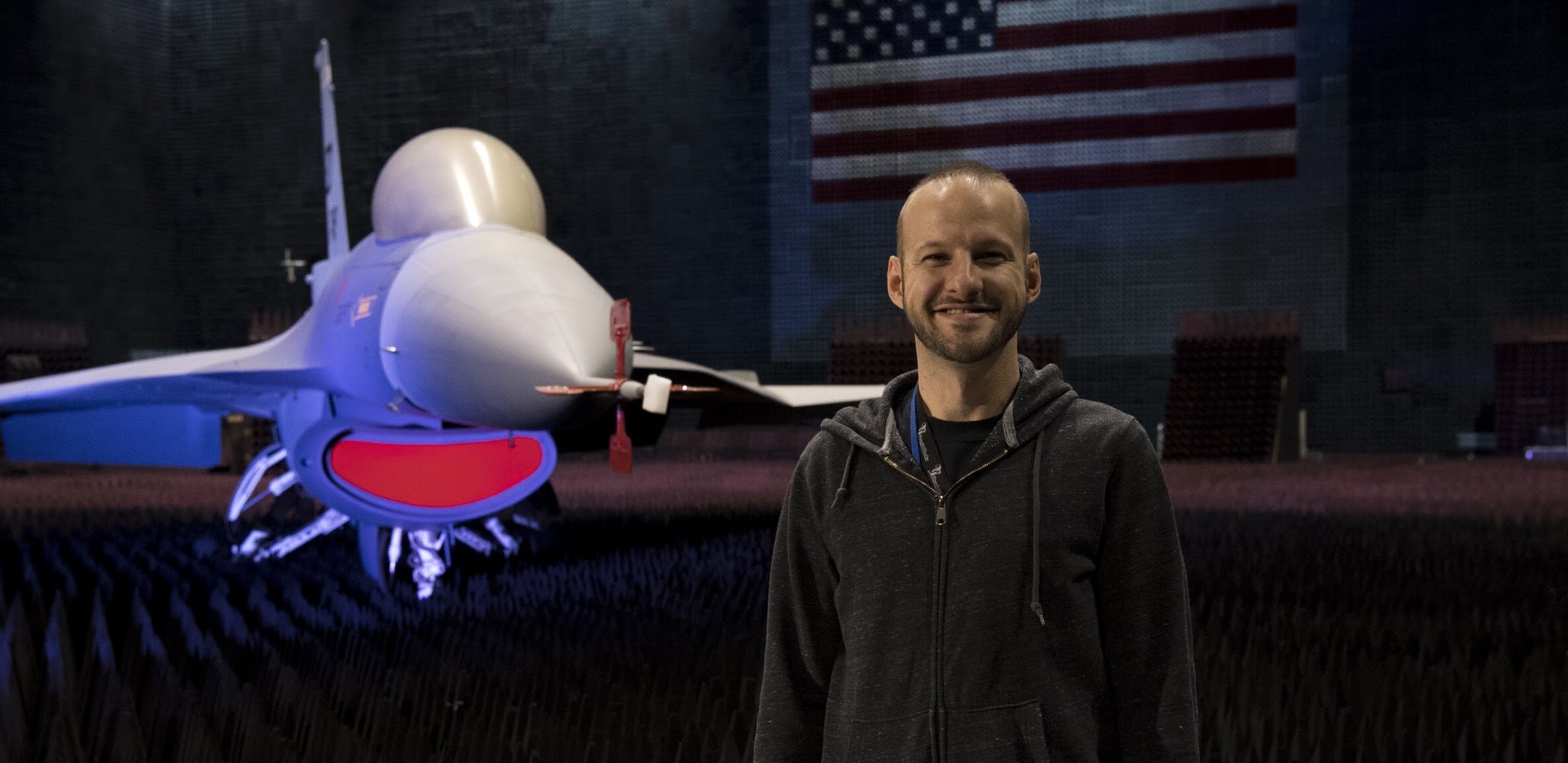
I was selected to work alongside some of the brightest minds in Air Force Materiel Command and the Air Force Test Center as part of a 12-week innovation workshop with Project Mercury. Our objective was to explore innovative ways to address the growing threat of unauthorized drones near military installations and identify solutions that could move rapidly from concept to operational testing.
We were making progress, developing ideas, and beginning to explore the technology needed to evaluate potential solutions. Then the federal government shut down.
Our work stopped immediately. We were instructed to turn off our government computers and work phones and refrain from performing government-related duties.
What initially felt like a disruption would become an unexpected opportunity to build something entirely new.
A Question in the Woods Sparked My First AI-Powered App
With work on hold, I went camping with family and friends. While walking around the campsite, we noticed animal droppings scattered throughout the area.
A friend turned to me and asked, “What animal is this from?”
I admitted I had no idea.
He followed up with another question: “I wonder if there’s an app out there that will identify it?”
My response was simple: “You know what? I could probably build it.”
That conversation sparked a challenge I couldn’t ignore.
I had experience working in Xcode, Apple’s development environment, but building an AI-powered application that could analyze images, identify animal scat, and return meaningful results was an entirely different undertaking. I had never built anything quite like it.
I didn’t have all the answers. I had a problem to solve, a clear goal, and a willingness to learn whatever was necessary to make it work.
Over the next several days, I taught myself how to configure a server capable of running local large language models and began developing my first AI-powered iOS application.
I collected and organized approximately 15,000 images of animal droppings, categorized them by animal, and began developing a system that could analyze a photograph and return a predicted identification with a confidence score. The goal was to give users a useful result within seconds while helping them understand how confident the system was in its prediction.
The project brought together several disciplines: AI, image analysis, data preparation, model evaluation, server infrastructure, and mobile application development.
More importantly, it gave me an opportunity to learn by building—not by waiting until I knew everything.
Turning a Weekend Idea Into a Working Prototype
Within a few weeks, I had a working prototype ready to share with my family.
They immediately became my unofficial testing team.
They were taking the scat pictures of deer, dogs, cats, horses, and just about anything else they could find around their homes and properties. They sent me the results, compared the predictions against what they knew, and helped me understand where the application performed well and where it needed improvement.
The early results varied considerably, with some identifications scoring around 40% confidence and others approaching 90%. That variation was valuable. It revealed the difference between building something that works in a demonstration and developing a solution that can be trusted in real-world conditions.
I wasn’t just building an app anymore. I was learning how to structure an AI solution, test its limitations, interpret its outputs, and improve the experience for the person using it.
That experience reinforced a principle I bring to every technology project: you don’t have to begin with every answer. You need a clear objective, a willingness to experiment, and a process for turning what you learn into something better.
Returning to Work With a Different Perspective
After approximately six weeks of furlough, we returned to work and were asked whether we wanted to continue pursuing our original innovation projects.
I did.
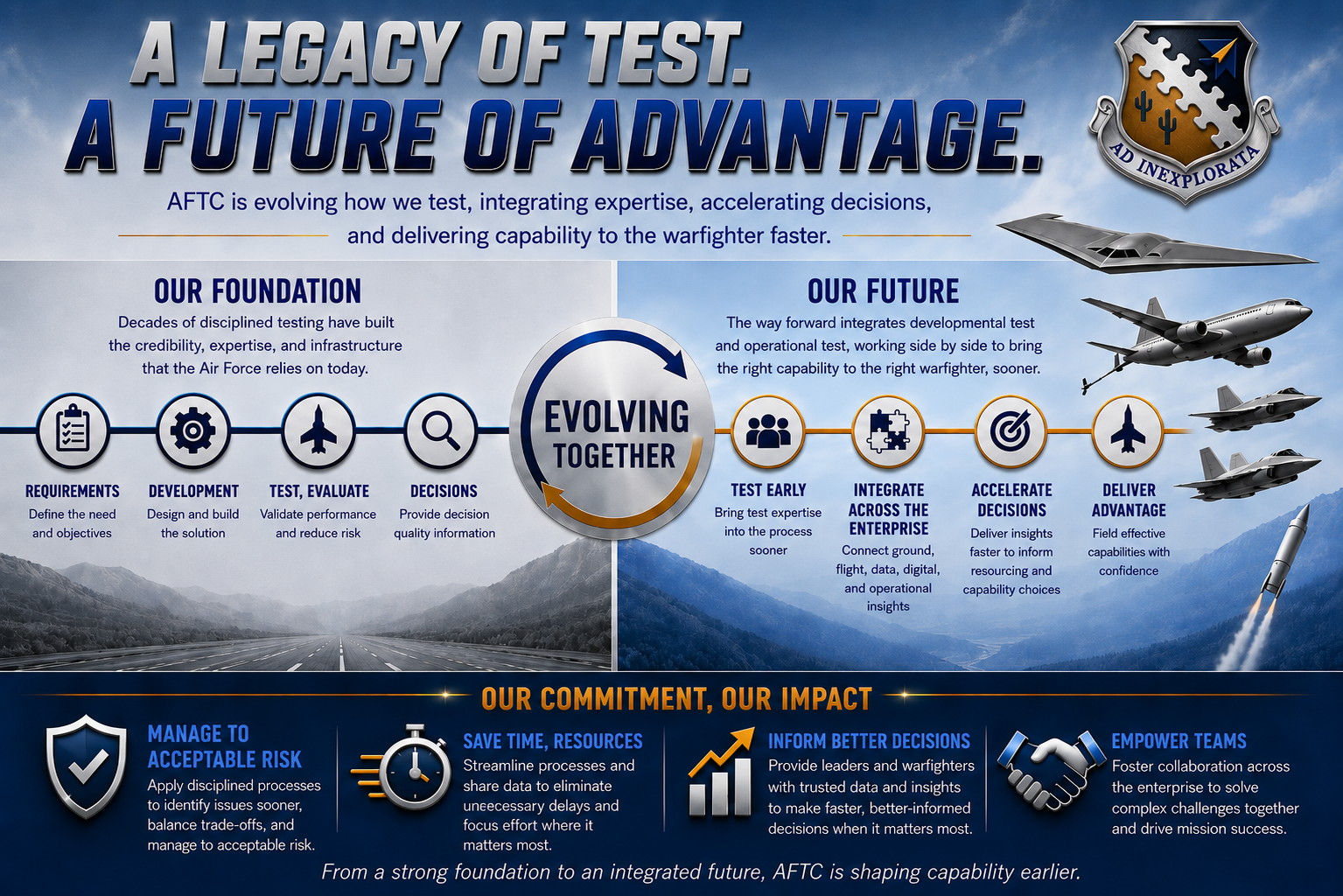
The team ultimately split into two groups, and I joined a new effort focused on how the Air Force Test Center receives, evaluates, and processes requests for developmental testing.
The initial concept was straightforward: create a customer-facing portal where organizations could select the testing services they needed and receive an estimated cost. The goal was to make the process more accessible and give customers a clearer understanding of what to expect before submitting a request.
I was handed a sheet of paper with three squares drawn on it and told, in essence, that we wanted a dashboard that looked like this.
So I built it.
But as I worked through the concept, I began asking a different question.
What if we didn’t just give customers a dashboard? What if we used AI to help them submit better, more complete test requests in the first place?
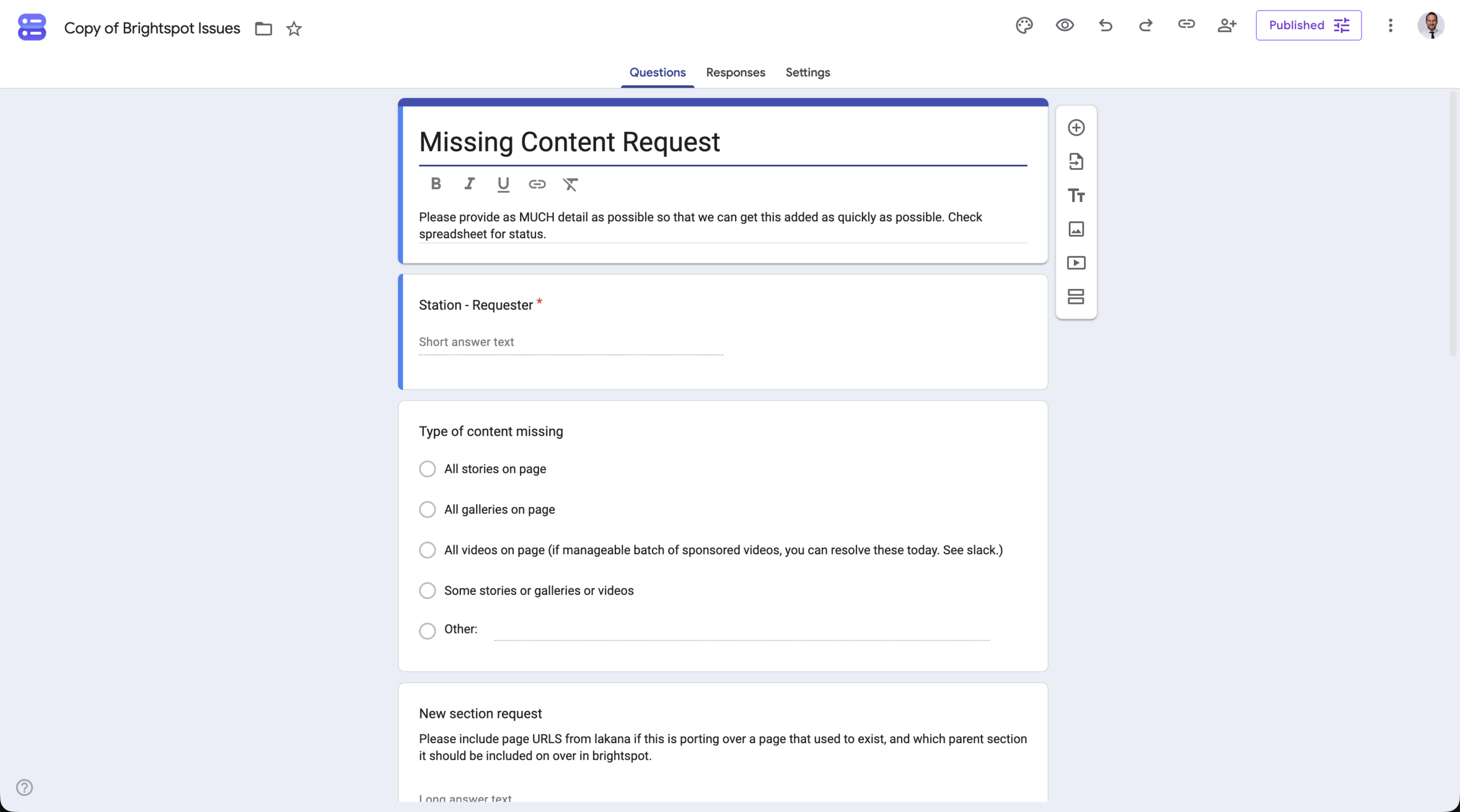
Instead of simply presenting information, the system could guide customers through an interactive conversation, identify their testing needs, extract the relevant requirements, and organize the information into a standardized format that the Air Force Test Center’s Front Door team could evaluate.
That shift changed the scope of the idea.
Rather than automating one step in an existing process, we had an opportunity to rethink how customers interacted with the process altogether.
From a Simple Dashboard to an AI-Powered Solution
We worked with stakeholders to understand the operational requirements, gather feedback, and refine the concept. Using those insights, I developed an AI agent designed to guide customers through the request process and produce structured outputs aligned with the team’s needs.
We presented the solution at the program’s final showcase.
We were told that, in the history of the program, ours was the first team to present a fully functional prototype at the showcase.
That milestone was significant, but the bigger opportunity came next.
Air Force Test Center leadership invited us to present the tool and discuss its potential. The response was encouraging: they saw an opportunity to expand the concept beyond what we had originally envisioned and deliver greater value to the organization.
The project moved forward, and select members of our team worked alongside developers on a more comprehensive solution.
We were given approximately two weeks to build out a prototype of the expanded concept—not simply an AI agent, but a functional system that could support a broader workflow.
Working alongside several developers, we had a prototype ready in approximately four hours.
That wasn’t the result of AI doing everything for us. It came from combining a clear understanding of the problem, rapid prototyping, technical execution, collaboration, and a willingness to challenge the original assumptions.
Since then, I’ve had the privilege of continuing to help develop the solution alongside talented professionals across the Air Force.
The initiative has also been featured on the Air Force Test Center website, and development is ongoing.
What This Means for Your Business
These projects reinforced something I believe is often overlooked when organizations explore AI and automation: the best solution isn’t always the one you initially set out to build.
Sometimes, you know exactly what you need. You’ve evaluated the options, defined the requirements, and are ready for someone to help bring your vision to life.
Other times, you know something needs to improve, but the right solution isn’t obvious yet.
You might be considering an AI chatbot when what you really need is an automated workflow. You might be looking for a new dashboard when the greater opportunity is to eliminate the manual process behind it. Or you might have a clear business objective but need help determining which technologies can deliver the greatest return.
That’s where I come in.
Through Crosby’s Digital Services, I help organizations identify opportunities, rethink existing processes, and turn ideas into practical digital solutions. My work spans AI integration, business automation, technology strategy, custom websites, and digital experiences designed around real business needs.
My approach isn’t to push a particular technology or build something simply because it’s possible. It’s to understand the problem, identify the opportunity, and determine the most effective way to move from concept to implementation.
Sometimes that means refining an idea you already have. Sometimes it means discovering an opportunity you hadn’t considered. And sometimes it means building a working prototype to demonstrate what’s possible before committing to a larger investment.
The objective is the same: build solutions that solve real problems, improve how work gets done, and create lasting value.
Let’s Turn Your Idea Into Something Real
You don’t need to have every requirement figured out before starting a conversation. You just need to know what you’re trying to accomplish—or what’s getting in the way.
If you’re ready to explore how AI, automation, or custom digital solutions could improve your business, I’d welcome the opportunity to learn more about what you’re working on.
Let’s identify the opportunity, build the right solution, and turn your next big idea into something operational.