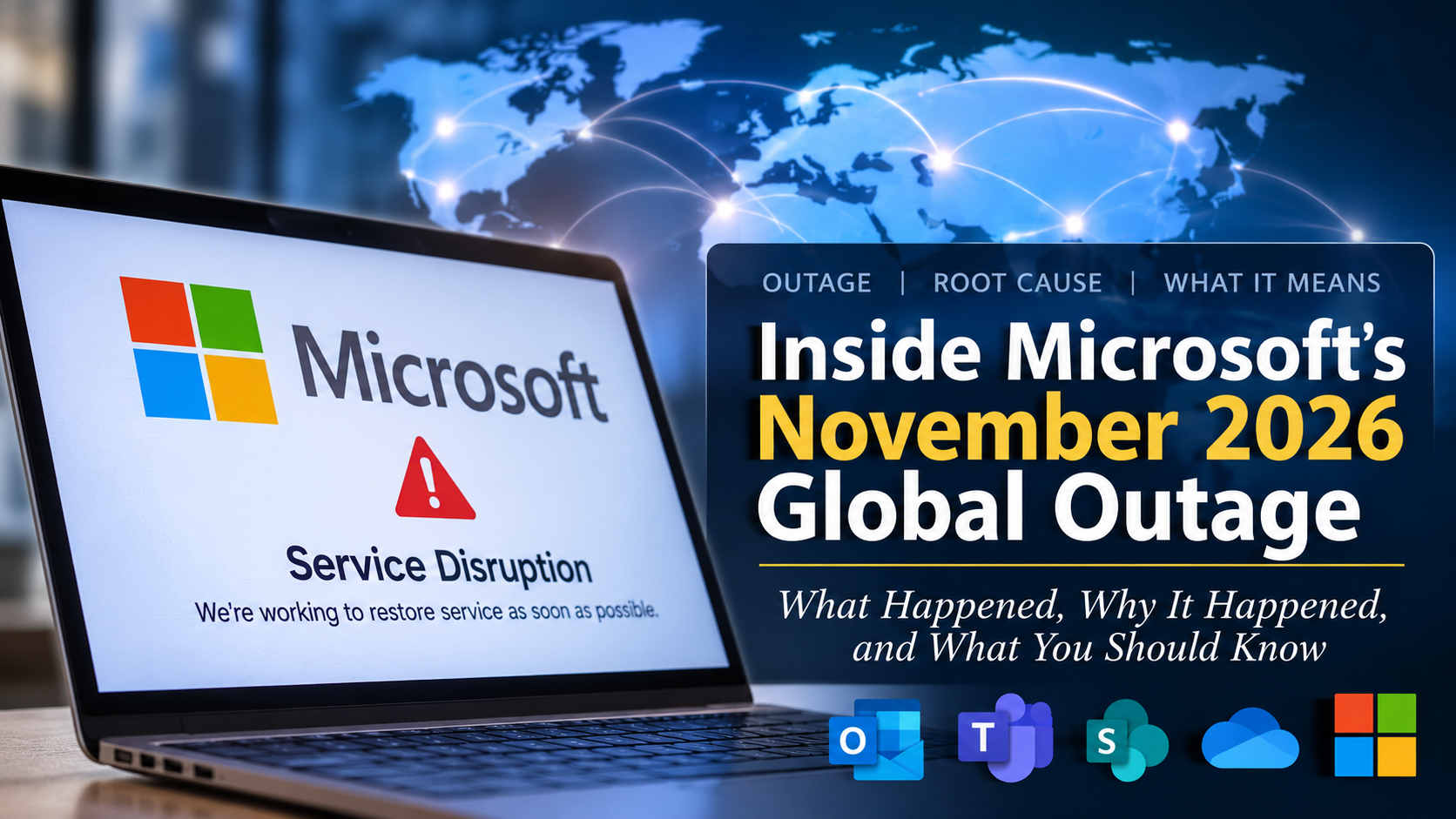
Hackers have breached Cloud One, the U.S. Air Force’s flagship cloud computing environment that supports everything from back-office logistics to front-line tactical systems. The intrusion, which was first broken by Reuters and subsequently corroborated by NBC News and The Guardian, has triggered widespread operational disruptions, halted software updates, and drawn in U.S. Cyber Command to assess the damage.
What Happened?
According to sources familiar with the matter who spoke to Reuters, the breach was discovered within the past month while personnel were conducting routine system upgrades. Following the discovery, administrators moved quickly to contain the environment, resulting in immediate operational friction across the platform:
- Updates Blocked: Software patches and updates for applications running on Cloud One have been halted, temporarily preventing Air Force personnel from installing routine fixes.
- Migrations Paused: Longstanding military efforts to migrate additional back-office applications onto the Cloud One infrastructure have been frozen.
- Access Revoked: Multiple users have had their administrator privileges revoked as investigators lock down the network.
The Air Force declined to confirm specific details, issuing a standard statement to Reuters noting that it “does not comment on the security posture, vulnerabilities or operational status of specific networks and systems,” while adding that it continuously takes prudent measures to protect Department of the Air Force capabilities.
Why Cloud One Matters
Launched in 2017, Cloud One was designed to give military teams a unified, shared environment for hosting applications and managing data across major commercial providers, including Amazon Web Services (AWS), Microsoft Azure, Google Cloud, and Oracle Cloud Infrastructure.
Because the platform consolidates so many critical functions, a breach carries significant national security implications. According to Reuters’ reporting, Cloud One hosts vital military applications, including:
- Cloud-Based Command and Control: A system that aggregates air defense radar information and data feeds across North America.
- Theater Integrated Combat Munitions System: Software used to track bombs and missiles across more than 200 U.S. Air Force installations globally.
- Logistics and Personnel Data: Systems managing military payroll, spare parts movement, and aircraft operational readiness.
What Remains Unknown
While U.S. Cyber Command has been called in to conduct a damage assessment, investigators have not publicly established several key details:
- Attribution: The identity of the threat actors behind the intrusion remains unknown.
- Data Exfiltration: Officials have not confirmed whether the attackers successfully stole sensitive tactical, personnel, or logistics data, or how deeply they penetrated the network.
- Attack Vector: The specific vulnerability exploited to gain access has not been disclosed, and sources noted there is currently no evidence indicating whether automated or AI-assisted tools were used in the breach.
Broader Context
The Cloud One incident adds to a tense week for U.S. national security infrastructure, coming just days after separate reports surfaced that hackers had accessed a CIA database. Management of the Cloud One contract itself underwent a major transition recently, shifting from longtime primary contractor SAIC to Leidos in 2025. Both contractors declined to comment on the incident, referring media inquiries back to the Air Force.
Sources & Further Reading
- Reuters: Original investigative reporting breaking the Cloud One intrusion, operational disruptions, and U.S. Cyber Command involvement.
- The Guardian: Hackers reportedly breach US air force’s flagship cloud computing platform (Nov. 27, 2026)
- NBC News: Corroboration of the intrusion via U.S. officials.